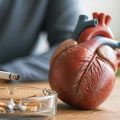
Heart disease remains one of the leading causes of death in the United States, affecting millions of individuals each year. Understanding the complexities of heart disease is crucial for effective prevention and management. This condition encompasses a range of disorders that affect the heart's structure and function, including coronary artery disease, arrhythmias, and heart valve issues. The prevalence of these diseases underscores the importance of recognizing early warning signs, which can be pivotal in preventing a heart attack.Many people are unaware that they may be at risk for heart disease due to various risk factors, such as high blood pressure, high cholesterol, obesity, and a sedentary lifestyle.
Additionally, factors like smoking and excessive alcohol consumption can significantly increase the likelihood of developing heart-related issues. By understanding these risk factors and their implications, individuals can take proactive steps towards heart disease prevention. Awareness is not just about recognizing symptoms; it’s about fostering a lifestyle that prioritizes heart health. Recognizing the warning signs of a heart attack is essential for timely intervention. Symptoms such as chest pain, shortness of breath, and discomfort in other areas of the upper body can manifest suddenly and should never be ignored.
By educating ourselves on these signs and understanding the broader context of heart disease, we empower ourselves to make informed decisions that can lead to healthier lives. This article will delve deeper into the specific warning signs of a heart attack and provide actionable strategies for prevention.
Common Warning Signs of a Heart Attack
Recognizing the warning signs of a heart attack is crucial for timely intervention and can significantly improve outcomes. While symptoms can vary from person to person, there are several common indicators that should not be ignored.- Chest Pain or Discomfort: Often described as a feeling of pressure, squeezing, fullness, or pain in the center or left side of the chest. This sensation may last for more than a few minutes or go away and come back.
- Shortness of Breath: This symptom may occur with or without chest discomfort.
It can feel like you are struggling to breathe or unable to catch your breath, even when at rest.
- Pain in Other Areas: Discomfort may radiate to other parts of the body, including the arms (especially the left arm), back, neck, jaw, or stomach. This referred pain can often be mistaken for other conditions.
- Cold Sweat: Breaking out in a cold sweat can be a sign of a heart attack. This symptom is often accompanied by feelings of anxiety or impending doom.
- Nausea or Lightheadedness: Some individuals may experience nausea, vomiting, or lightheadedness during a heart attack. These symptoms can sometimes be mistaken for indigestion or other gastrointestinal issues.
If you or someone you know exhibits these heart attack symptoms, it is vital to seek emergency medical help immediately. Early recognition and treatment are key components in heart disease prevention.
Less Common Symptoms That Should Not Be Ignored
While many people are familiar with the classic symptoms of a heart attack, such as chest pain and shortness of breath, there are less common symptoms that can also indicate a serious issue. Recognizing these atypical signs is crucial for heart disease prevention and can lead to timely medical intervention.Nausea
Nausea is often overlooked as a potential warning sign of a heart attack. Many individuals may dismiss it as something they ate or a simple stomach bug.However, when accompanied by other symptoms, such as sweating or lightheadedness, nausea can be a significant indicator of heart distress. If you experience sudden nausea along with any other unusual symptoms, it’s essential to seek medical attention.
Fatigue
Unexplained fatigue can be another subtle sign of an impending heart attack, especially in women. This fatigue may not be linked to physical exertion and can persist for days or even weeks before a heart attack occurs. If you find yourself feeling unusually tired without a clear reason, it’s important to consult with a healthcare professional.Jaw Pain
Jaw pain is another atypical symptom that should not be ignored.It may feel like a dental issue or tension headache, but it can also be referred pain from the heart. This type of pain might radiate from the chest to the jaw, neck, or back. If you experience jaw pain alongside other symptoms such as chest discomfort or shortness of breath, it’s critical to seek immediate medical help.In summary, being aware of these less common symptoms—nausea, fatigue, and jaw pain—can play a vital role in heart disease prevention. Early recognition and response to these signs can save lives and improve outcomes for those experiencing a heart attack.
Risk Factors for Heart Disease and Heart Attacks
Understanding the risk factors for heart disease and heart attacks is crucial for effective heart disease prevention.These factors can be broadly categorized into lifestyle choices and genetic predispositions.
Lifestyle Choices
- Poor Diet: A diet high in saturated fats, trans fats, and cholesterol can lead to the buildup of plaque in the arteries, increasing the risk of heart disease.
- Lack of Physical Activity: Sedentary lifestyles contribute significantly to obesity and other health issues that elevate heart attack risk.
- Smoking: Tobacco use is a major risk factor, as it damages blood vessels and reduces oxygen in the blood, making the heart work harder.
- Excessive Alcohol Consumption: Drinking too much alcohol can raise blood pressure and contribute to weight gain, both of which are harmful to heart health.
Genetic Predispositions
While lifestyle choices play a significant role, genetics also contribute to an individual's risk for heart disease. Family history of heart disease can indicate a higher likelihood of developing similar conditions. Key genetic factors include:- Family History: If close relatives have experienced heart attacks or other cardiovascular issues, your risk may be elevated.
- Inherited Conditions: Certain genetic disorders can affect cholesterol levels or blood pressure, increasing susceptibility to heart disease.
The Importance of Early Detection and Response
Recognizing the warning signs of a heart attack and responding promptly can be the difference between life and death.Early detection is crucial in minimizing damage to the heart muscle and improving survival rates. Many individuals underestimate the significance of symptoms, often attributing them to less serious conditions. However, understanding these signs can lead to timely intervention.Common warning signs include:
- Chest discomfort: This may feel like pressure, squeezing, fullness, or pain in the center or left side of the chest.
- Shortness of breath: This can occur with or without chest discomfort and may happen during rest or physical activity.
- Other symptoms: These can include cold sweat, nausea, lightheadedness, or pain in the arms, back, neck, jaw, or stomach.
It is recommended to call emergency services immediately rather than driving oneself to the hospital. Emergency responders are trained to provide life-saving care en route to the hospital.In addition to quick action, understanding how to access emergency care effectively can enhance outcomes. Familiarize yourself with local emergency numbers and ensure that your family members know how to respond in case of a heart attack. Having a plan in place can save precious minutes during a crisis.In summary, being aware of the warning signs and acting swiftly can significantly impact the prognosis for someone experiencing a heart attack.
Prioritizing heart disease prevention through education and preparedness is essential for everyone.
Heart Disease Prevention Strategies
Preventing heart disease is crucial for maintaining overall health and longevity. By adopting a healthy lifestyle, individuals can significantly reduce their risk of developing heart-related issues. Here are some effective strategies for heart disease prevention:- Maintain a Balanced Diet: Focus on incorporating a variety of fruits, vegetables, whole grains, and lean proteins into your meals. Limit saturated fats, trans fats, and sodium to help manage cholesterol levels and blood pressure.
- Stay Active: Regular physical activity is essential for heart health.
Aim for at least 150 minutes of moderate aerobic exercise each week, such as brisk walking or cycling. Strength training exercises should also be included at least twice a week.
- Manage Weight: Maintaining a healthy weight can lower the risk of heart disease. If you're overweight, even a modest weight loss of 5-10% can have significant health benefits.
- Avoid Tobacco: Smoking is a major risk factor for heart disease. Quitting smoking can improve your heart health and reduce the risk of heart attacks.
- Limit Alcohol Consumption: If you drink alcohol, do so in moderation.
This means up to one drink per day for women and two drinks per day for men.
- Manage Stress: Chronic stress may contribute to heart disease. Engage in stress-reducing activities such as yoga, meditation, or deep-breathing exercises to promote relaxation.
Frequently Asked Questions About Heart Attacks and Prevention
Understanding the signs of a heart attack is crucial for heart disease prevention. Here are some frequently asked questions that can help you recognize symptoms and take preventive measures.What are the common symptoms of a heart attack?
- Chest pain or discomfort: Often described as a feeling of pressure, squeezing, or fullness in the center or left side of the chest.
- Pain in other areas: This may include pain or discomfort in one or both arms, the back, neck, jaw, or stomach.
- Shortness of breath: This can occur with or without chest discomfort and may happen while resting or during physical activity.
- Other signs: Cold sweat, nausea, or lightheadedness can also be indicators of a heart attack.
How can I prevent a heart attack?
- Maintain a healthy diet: Focus on fruits, vegetables, whole grains, and lean proteins while limiting saturated fats and sugars.
- Exercise regularly: Aim for at least 150 minutes of moderate aerobic activity each week to strengthen your heart.
- Avoid smoking: Quitting smoking significantly reduces your risk of heart disease and improves overall health.
- Manage stress: Techniques such as meditation, yoga, or deep breathing can help lower stress levels that contribute to heart issues.
When should I seek medical attention?
If you experience any symptoms associated with a heart attack, especially if they last more than a few minutes or go away and come back, it is vital to call emergency services immediately.Quick action can save lives and improve outcomes.By being aware of these warning signs and taking proactive steps towards heart disease prevention, you can significantly reduce your risk of experiencing a heart attack.
Conclusion: Taking Charge of Your Heart Health
In conclusion, understanding the warning signs of a heart attack is crucial for effective heart disease prevention. Recognizing these symptoms early can significantly increase the chances of survival and reduce the risk of severe complications. It is essential to be aware of the common indicators such as:- Chest discomfort or pain that may feel like pressure, squeezing, or fullness.
- Pain or discomfort in other areas of the upper body, including the arms, back, neck, jaw, or stomach.
- Shortness of breath, which may occur with or without chest discomfort.
- Other signs, such as cold sweat, nausea, or lightheadedness.
This includes:
- Regular exercise: Aim for at least 150 minutes of moderate aerobic activity each week.
- A balanced diet: Focus on whole grains, fruits, vegetables, lean proteins, and healthy fats while limiting processed foods and sugars.
- Avoiding tobacco: Quitting smoking and avoiding secondhand smoke can significantly lower heart disease risk.
- Managing stress: Incorporate relaxation techniques such as meditation or yoga into your daily routine.
- Regular health check-ups: Monitor blood pressure, cholesterol levels, and other risk factors with your healthcare provider.