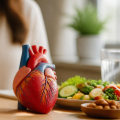
High blood pressure, also known as hypertension, is a silent yet formidable health issue that affects millions of individuals worldwide. It is often referred to as the "silent killer" because it typically presents no symptoms until significant damage has occurred. Understanding the connection between high blood pressure and heart disease is crucial for effective heart disease prevention. When blood pressure remains elevated over time, it places excessive strain on the heart and blood vessels, leading to a cascade of cardiovascular problems. The relationship between hypertension and heart disease is well-documented.
Chronic high blood pressure can cause the heart to work harder than normal, which may lead to conditions such as heart failure, coronary artery disease, and even heart attacks. As the heart muscle thickens in response to this increased workload, it can become less efficient at pumping blood, further exacerbating the risk of serious health complications. Moreover, high blood pressure can damage the arteries, making them less elastic and more prone to plaque buildup, which narrows the arteries and restricts blood flow. In essence, managing high blood pressure is not just about maintaining a number on a chart; it is a vital component of overall cardiovascular health. By recognizing how hypertension contributes to increased heart disease risk, individuals can take proactive steps towards prevention.
This includes lifestyle changes such as adopting a balanced diet, engaging in regular physical activity, and monitoring blood pressure levels regularly. Understanding this connection empowers individuals to make informed choices that can significantly reduce their risk of developing heart-related issues.
What is High Blood Pressure?
High blood pressure, also known as hypertension, is a medical condition characterized by consistently elevated pressure in the arteries. This condition can lead to serious health issues, including heart disease, if left unmanaged. Blood pressure is measured in millimeters of mercury (mmHg) and is expressed with two numbers: systolic (the pressure when the heart beats) over diastolic (the pressure when the heart rests between beats).The normal range for blood pressure is typically around 120/80 mmHg.When blood pressure readings consistently exceed 130/80 mmHg, it is classified as hypertension. Understanding these levels is crucial for heart disease prevention.
Causes of High Blood Pressure
- Genetics: A family history of hypertension can increase your risk.
- Lifestyle factors: Poor diet, lack of physical activity, and excessive alcohol consumption can contribute to high blood pressure.
- Obesity: Carrying excess weight puts additional strain on the heart and can elevate blood pressure.
- Stress: Chronic stress may lead to temporary spikes in blood pressure.
Symptoms of Hypertension
High blood pressure is often referred to as a "silent killer" because it usually does not present noticeable symptoms until significant damage has occurred. Some individuals may experience:- Headaches
- Dizziness
- Nosebleeds
- Shortness of breath
By recognizing the importance of maintaining healthy blood pressure levels, individuals can take proactive steps towards better heart health.
How High Blood Pressure Affects the Heart
High blood pressure, or hypertension, is a significant risk factor for heart disease, as it places excessive strain on the cardiovascular system. Over time, this increased pressure can lead to serious damage to the heart and blood vessels, ultimately compromising overall cardiovascular health.One of the primary ways that high blood pressure affects the heart is through a condition known as left ventricular hypertrophy. This occurs when the heart's left ventricle, which is responsible for pumping blood to the rest of the body, thickens in response to the increased workload. As the muscle thickens, it can become less efficient at pumping blood, leading to symptoms such as shortness of breath and fatigue.Moreover, hypertension can contribute to the development of coronary artery disease.The elevated pressure can damage the inner lining of arteries, making them more susceptible to plaque buildup. This plaque narrows the arteries and restricts blood flow to the heart muscle, increasing the risk of heart attacks and other serious cardiovascular events.In addition to these conditions, high blood pressure can also lead to:
- Aneurysms: Weakened areas in blood vessel walls can bulge and potentially rupture.
- Heart failure: The heart may struggle to pump enough blood to meet the body's needs.
- Arrhythmias: Irregular heartbeats can occur due to structural changes in the heart.
The Role of Blood Vessels in Heart Disease Risk
High blood pressure, or hypertension, plays a critical role in the development of heart disease by causing significant damage to the blood vessels. When blood pressure is consistently elevated, it exerts excessive force against the walls of arteries, leading to a series of detrimental changes that compromise vascular health.One of the primary consequences of hypertension is the thickening and stiffening of arterial walls, a condition known as arterial damage.This process narrows the arteries and reduces their elasticity, making it more difficult for blood to flow freely. Over time, this can contribute to the formation of atherosclerosis, a condition characterized by the buildup of fatty deposits, or plaques, within the arterial walls. These plaques can further obstruct blood flow and increase the risk of serious cardiovascular events such as heart attacks and strokes.Moreover, damaged blood vessels can lead to inflammation, which exacerbates the progression of heart disease. Inflammatory markers can accumulate in response to arterial injury, promoting further plaque formation and destabilizing existing plaques.
This cycle creates a dangerous environment for cardiovascular health.To mitigate these risks, it is essential to prioritize vascular health. Maintaining healthy blood pressure levels through lifestyle changes such as regular exercise, a balanced diet low in sodium and saturated fats, and stress management can significantly reduce the likelihood of developing heart disease. Regular check-ups with healthcare providers can also help monitor blood pressure and implement preventive measures early on.In summary, understanding the relationship between high blood pressure and heart disease prevention is vital. By protecting our blood vessels from damage caused by hypertension, we can enhance our overall cardiovascular wellness and reduce the risk of life-threatening conditions.
Other Risk Factors for Heart Disease Related to Hypertension
High blood pressure, or hypertension, is a significant risk factor for heart disease, but it often coexists with other conditions that further elevate this risk.Understanding these additional risk factors is crucial for effective heart disease prevention.
Obesity
is one of the most prevalent conditions associated with hypertension. Excess body weight can lead to increased blood volume and higher cardiac output, which in turn raises blood pressure. Moreover, obesity often contributes to the development of other risk factors such as diabetes and high cholesterol levels.
Diabetes
is another critical factor that frequently accompanies hypertension. The relationship between these two conditions is bidirectional; not only can high blood pressure lead to insulin resistance, but diabetes can also cause damage to blood vessels, exacerbating hypertension.
Individuals with both conditions face a significantly higher risk of developing heart disease.
High cholesterol
levels are also linked to hypertension. Elevated cholesterol can lead to the buildup of plaques in the arteries, a condition known as atherosclerosis, which narrows the arteries and increases blood pressure. This combination creates a dangerous cycle that heightens the risk of heart-related issues.To effectively manage these interconnected risk factors, individuals should consider adopting a holistic approach that includes:
- Regular physical activity: Engaging in at least 150 minutes of moderate exercise weekly can help control weight and lower blood pressure.
- Healthy eating: A diet rich in fruits, vegetables, whole grains, and lean proteins can aid in weight management and improve cholesterol levels.
- Weight management: Maintaining a healthy weight is essential for reducing both hypertension and its associated risks.
- Regular health screenings: Monitoring blood pressure, cholesterol levels, and blood sugar can help catch potential issues early.
Preventing Heart Disease: Managing High Blood Pressure
Managing high blood pressure is crucial for heart disease prevention. By implementing effective strategies, individuals can significantly reduce their risk of developing heart-related issues.Here are some actionable steps to consider:
- Adopt a Heart-Healthy Diet: Focus on a diet rich in fruits, vegetables, whole grains, and lean proteins. The DASH diet (Dietary Approaches to Stop Hypertension) is particularly effective, emphasizing low sodium intake and nutrient-dense foods.
- Maintain a Healthy Weight: Excess weight can contribute to high blood pressure. Aim for a body mass index (BMI) within the normal range through a combination of healthy eating and regular physical activity.
- Engage in Regular Physical Activity: Aim for at least 150 minutes of moderate aerobic exercise each week. Activities like walking, cycling, or swimming can help lower blood pressure and improve overall heart health.
- Limit Alcohol Consumption: Drinking alcohol in moderation can help manage blood pressure.
For most adults, this means up to one drink per day for women and two drinks per day for men.
- Quit Smoking: Smoking is a major risk factor for heart disease. Quitting smoking can improve your heart health and lower your blood pressure.
- Manage Stress: Chronic stress may contribute to high blood pressure. Techniques such as meditation, yoga, or deep-breathing exercises can be beneficial in managing stress levels.
Regular monitoring and follow-up appointments are essential to ensure that your management plan is working. By taking proactive steps to manage hypertension, individuals can significantly enhance their chances of preventing heart disease and leading a healthier life.
FAQs About High Blood Pressure and Heart Disease
Understanding the relationship between high blood pressure and heart disease is crucial for effective heart disease prevention. Here are some frequently asked questions that can help clarify this important topic.What is the connection between high blood pressure and heart disease?
High blood pressure, or hypertension, puts extra strain on your heart and blood vessels. Over time, this increased pressure can lead to damage in the arteries, making them less elastic and more prone to blockages. This can ultimately result in conditions such as heart attacks or strokes.Can high blood pressure be managed effectively?
Yes, managing high blood pressure is possible through lifestyle changes and medication.Regular exercise, a balanced diet low in sodium, maintaining a healthy weight, and avoiding tobacco can significantly lower blood pressure levels. In some cases, doctors may prescribe medications to help control hypertension.
Are there any myths about high blood pressure?
- Myth: High blood pressure only affects older adults.
Fact: While it is more common in older individuals, hypertension can affect people of all ages. - Myth: You would know if you had high blood pressure.
Fact: High blood pressure often has no symptoms, which is why regular check-ups are essential. - Myth: Only overweight people have high blood pressure.
Fact: Even those with a normal weight can develop hypertension due to factors like genetics and stress.
Conclusion: The Importance of Monitoring Blood Pressure for Heart Health
In conclusion, the relationship between high blood pressure and heart disease is both significant and concerning. As we have explored, elevated blood pressure can lead to various cardiovascular complications, making it essential for individuals to prioritize their heart health.Monitoring blood pressure regularly is a proactive step in heart disease prevention.By keeping track of your blood pressure readings, you can identify potential issues early and take necessary actions to mitigate risks. Here are some key takeaways:
- Regular Check-ups: Schedule routine visits with your healthcare provider to monitor your blood pressure and assess your overall heart health.
- Lifestyle Modifications: Implementing healthy lifestyle changes such as a balanced diet, regular exercise, and stress management can significantly lower blood pressure.
- Medication Adherence: If prescribed medication for hypertension, it is crucial to take it as directed to maintain optimal blood pressure levels.
- Avoiding Risk Factors: Limiting alcohol intake, quitting smoking, and managing weight are vital steps in reducing the risk of developing high blood pressure and subsequent heart disease.