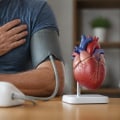
Monitoring blood pressure is a crucial aspect of heart disease prevention, yet it is often overlooked in routine health assessments. High blood pressure, or hypertension, is a silent condition that can lead to severe cardiovascular issues if left unchecked. Regular blood pressure checks empower individuals to take proactive steps towards maintaining their heart health, making it an essential practice for everyone, especially those at risk. Understanding the significance of these checks is vital. Elevated blood pressure can damage the arteries over time, leading to atherosclerosis, heart attacks, and strokes.
By incorporating regular monitoring into your health routine, you can identify potential problems early and work with healthcare professionals to implement lifestyle changes or treatments that can mitigate risks. This proactive approach not only enhances your overall well-being but also significantly contributes to long-term heart disease prevention.Moreover, the frequency of blood pressure checks can vary based on individual health factors. For some, annual checks may suffice, while others with existing health conditions might require more frequent monitoring. Regardless of your situation, understanding the importance of these checks lays the groundwork for informed discussions with your healthcare provider about your heart health strategy.
What is Blood Pressure and Why Does It Matter?
Blood pressure is the force exerted by circulating blood against the walls of blood vessels.It is a critical indicator of heart health and is measured in millimeters of mercury (mmHg). Blood pressure readings consist of two numbers: systolic and diastolic.The systolic pressure is the first number and represents the pressure in your arteries when your heart beats. This phase is crucial because it indicates how much pressure your heart generates to pump blood throughout your body. The second number, known as diastolic pressure , measures the pressure in your arteries when your heart rests between beats.
This value is equally important as it reflects the resistance to blood flow in the blood vessels.Understanding these components is vital for heart disease prevention. High blood pressure, or hypertension, can lead to serious health issues, including heart attacks and strokes. Regular monitoring of blood pressure helps identify potential problems early, allowing for timely intervention.Here are some reasons why blood pressure matters:
- Indicator of Heart Health: Consistently high readings can signal underlying cardiovascular issues.
- Risk Factor for Disease: Elevated blood pressure increases the risk of developing heart disease and other related conditions.
- Guides Lifestyle Changes: Knowing your blood pressure can motivate you to adopt healthier habits, such as improved diet and increased physical activity.
Understanding Heart Disease: Risk Factors and Statistics
Heart disease remains one of the leading causes of death in the United States, affecting millions of individuals each year. Understanding the risk factors associated with heart disease is crucial for effective heart disease prevention.Hypertension, or high blood pressure, is a significant risk factor that can lead to serious cardiovascular complications.Several key factors contribute to the development of heart disease:
- Hypertension: Elevated blood pressure can damage arteries and lead to heart failure.
- High cholesterol: High levels of LDL cholesterol can result in plaque buildup in arteries.
- Smoking: Tobacco use significantly increases the risk of heart disease.
- Diabetes: Poorly managed diabetes can lead to increased heart disease risk.
- Obesity: Excess body weight puts additional strain on the heart.
- Lack of physical activity: A sedentary lifestyle contributes to various health issues, including heart disease.
- Unhealthy diet: Diets high in saturated fats, trans fats, and sodium can elevate heart disease risk.
Regular check-ups with healthcare providers can help monitor blood pressure and other vital health metrics, enabling early intervention and better management of potential risks.
How Often Should You Get Your Blood Pressure Checked?
Monitoring your blood pressure is a crucial aspect of heart disease prevention. The frequency of blood pressure checks can vary based on several factors, including age, overall health, and existing risk factors for heart disease.General Guidelines for Blood Pressure Monitoring
- Adults aged 18-39: If you are healthy and have no risk factors for heart disease, it is recommended to have your blood pressure checked at least once every 2 years.
- Adults aged 40 and older: It is advisable to check your blood pressure at least once a year. This is particularly important as the risk of developing hypertension increases with age.
- Individuals with risk factors: If you have conditions such as obesity, diabetes, or a family history of heart disease, you should have your blood pressure checked more frequently—ideally every 6 months or as advised by your healthcare provider.
Special Considerations
For those already diagnosed with hypertension or other cardiovascular conditions, regular monitoring is essential. Your doctor may recommend checking your blood pressure at home in addition to regular visits.This helps in managing your condition effectively and adjusting treatment as necessary.In summary, adhering to these guidelines not only aids in early detection of potential issues but also plays a significant role in heart disease prevention. Regular monitoring can empower individuals to take proactive steps towards maintaining their cardiovascular health.
Recommended Blood Pressure Targets for Heart Health
Maintaining healthy blood pressure levels is crucial for heart disease prevention. The American Heart Association (AHA) provides guidelines that categorize blood pressure readings into different ranges, which can help individuals understand their target levels based on age and health conditions.Blood Pressure Categories:
- Normal: Less than 120/80 mm Hg
- Elevated: Systolic between 120-129 and diastolic less than 80 mm Hg
- Hypertension Stage 1: Systolic between 130-139 or diastolic between 80-89 mm Hg
- Hypertension Stage 2: Systolic 140 or higher or diastolic 90 or higher
- Hypertensive Crisis: Systolic over 180 and/or diastolic over 120 (requires immediate medical attention)
It is essential for these individuals to consult with their healthcare provider to determine the most appropriate target for their specific situation.
Age Considerations:
As people age, the risk of developing hypertension increases. Therefore, regular monitoring becomes even more critical. Older adults should aim for a systolic reading below 150 mm Hg, as studies suggest this level can help reduce the risk of heart disease while minimizing potential side effects from medications.In summary, understanding and adhering to the recommended blood pressure targets is vital for effective heart disease prevention. Regular check-ups and lifestyle modifications, such as a balanced diet and regular exercise, can significantly contribute to maintaining optimal blood pressure levels.
Lifestyle Changes to Maintain Healthy Blood Pressure Levels
Maintaining healthy blood pressure levels is crucial for heart disease prevention.Implementing lifestyle changes can significantly impact your overall cardiovascular health. Here are some effective strategies:
Diet for Heart Health
Your diet plays a vital role in managing blood pressure. Consider the following dietary modifications:- Reduce sodium intake: Aim for less than 2,300 mg of sodium per day. High sodium levels can lead to increased blood pressure.
- Emphasize fruits and vegetables: A diet rich in potassium, found in bananas, oranges, and leafy greens, can help balance sodium levels and lower blood pressure.
- Choose whole grains: Foods like brown rice, quinoa, and whole-grain bread provide essential nutrients and fiber that support heart health.
- Limit saturated fats: Opt for lean proteins and healthy fats, such as those found in fish, nuts, and olive oil, to reduce cholesterol levels.
Exercise and Blood Pressure
Regular physical activity is another cornerstone of heart disease prevention.Engaging in exercise can help lower blood pressure and improve heart function. Here are some recommendations:
- Aim for at least 150 minutes of moderate aerobic activity weekly: Activities like brisk walking, cycling, or swimming can effectively lower blood pressure.
- Incorporate strength training: Include muscle-strengthening activities at least two days a week to enhance overall cardiovascular health.
- Stay active throughout the day: Simple changes like taking the stairs instead of the elevator or walking during breaks can contribute to your daily activity goals.
When to Seek Medical Advice: Signs of High Blood Pressure
High blood pressure, often referred to as hypertension, is a silent condition that can lead to serious health issues, including heart disease. Recognizing the signs of high blood pressure is crucial for timely intervention and effective heart disease prevention.Many individuals with high blood pressure may not experience noticeable symptoms. However, there are certain signs that should prompt you to seek medical advice:- Headaches: Frequent or severe headaches can be a symptom of elevated blood pressure.
- Dizziness: Feeling lightheaded or dizzy may indicate hypertension.
- Nosebleeds: Unexplained nosebleeds can occur due to high blood pressure.
- Shortness of breath: Difficulty breathing during normal activities may signal a problem.
- Chest pain: Any chest discomfort should be taken seriously and evaluated by a healthcare professional.
- Vision changes: Blurred or impaired vision can be linked to hypertension.
Regular check-ups are vital, especially if you have risk factors such as obesity, a sedentary lifestyle, or a family history of heart disease. The American Heart Association recommends that adults have their blood pressure checked at least once every two years if their readings are normal. However, those with elevated readings or risk factors should have more frequent assessments.In summary, being aware of the symptoms of hypertension and knowing when to see a doctor can significantly contribute to effective heart disease prevention. Early detection and management of high blood pressure can help reduce the risk of serious cardiovascular complications.
FAQs About Blood Pressure Checks and Heart Disease Prevention
Understanding the relationship between blood pressure checks and heart disease prevention is crucial for maintaining cardiovascular health.Here are some frequently asked questions that can help clarify this important topic.
How often should I get my blood pressure checked?
The frequency of blood pressure checks can vary based on individual health factors. Generally, adults should have their blood pressure measured at least once every two years if their readings are normal (less than 120/80 mmHg). However, if you have risk factors for heart disease, such as obesity, diabetes, or a family history of heart conditions, more frequent checks may be necessary. Consult your healthcare provider for personalized recommendations.What is considered high blood pressure?
High blood pressure, or hypertension, is typically defined as having a reading of 130/80 mmHg or higher.It is important to monitor your blood pressure regularly because hypertension often has no symptoms but can significantly increase the risk of heart disease.
Can lifestyle changes affect my blood pressure?
Absolutely! Lifestyle modifications play a vital role in managing blood pressure and preventing heart disease. Here are some effective changes:- Diet: Adopt a heart-healthy diet rich in fruits, vegetables, whole grains, and lean proteins while reducing sodium intake.
- Exercise: Aim for at least 150 minutes of moderate aerobic activity each week to help lower blood pressure.
- Avoid smoking: Quitting smoking can improve overall heart health and lower blood pressure.
- Limit alcohol: Reducing alcohol consumption can also help manage blood pressure levels.
What should I do if my blood pressure is high?
If you find that your blood pressure readings are consistently high, it’s essential to consult with your healthcare provider. They may recommend lifestyle changes, medication, or further testing to assess your risk for heart disease.Regular monitoring and understanding your blood pressure are key components in the journey toward effective heart disease prevention. Stay informed and proactive about your cardiovascular health!Conclusion: The Path to Heart Disease Prevention Through Regular Monitoring
In conclusion, heart disease prevention is a multifaceted approach that requires consistent effort and vigilance.One of the most critical components of this strategy is regular monitoring of blood pressure. High blood pressure, or hypertension, is often referred to as a "silent killer" because it typically presents no symptoms until significant damage has occurred. Therefore, understanding how often to check your blood pressure can be pivotal in safeguarding your heart health.For most adults, it is recommended to have their blood pressure checked at least once every two years if their readings are within the normal range. However, individuals with risk factors such as obesity, a family history of heart disease, or existing health conditions should consider more frequent checks—ideally annually or even quarterly.
This proactive approach allows for early detection and management of any potential issues.Moreover, incorporating lifestyle changes such as a balanced diet, regular exercise, and stress management can significantly enhance the effectiveness of blood pressure monitoring in heart disease prevention. By maintaining a healthy lifestyle, individuals can not only keep their blood pressure in check but also improve their overall cardiovascular health.Ultimately, the journey towards heart disease prevention is ongoing. Regular blood pressure checks serve as a vital tool in this journey, empowering individuals to take charge of their health and make informed decisions. By prioritizing these checks and embracing a heart-healthy lifestyle, you can significantly reduce your risk of developing heart disease and lead a longer, healthier life.